Civics
8 Civics Inquiry questions
What is the role and impact of elections and political parties in Australian democracy?
How can citizens shape and influence Australia’s political system?
How are laws made and applied in Australia?
What different perspectives are there about national identity?
Lesson 1. Political Parties
Lesson 1. What is the role and impact of elections and political parties in Australian democracy?
Learning intentions
Understand what a political party is
Participate in a simplified election
Form a government
Explain how governments propose a law
Scenario. The government is facing an election. One major issue in the community is coastal protection.
Part 1. Political Parties
Divide class into four parties.
The Environment Party: Prioritises climate action and coastal conservation
Australian Youth Party: The voice for youth equality
Business Party: The party for business, employment and lower taxes
Community Party: Prioritise local issues and community support.
Background briefing: What is a policy?
Imagine our class is elected to run the student council. We want to make the school better, so our "party policy" could include:
Extending lunch by 10 minutes.
Adding more healthy or vegetarian options to the canteen.
Starting a new school gaming club.
Political parties do the same thing. Instead of school lunches, their policies may be how to spend tax money, protect the environment, or improve public schools.
To do: Preparing for the election
Each party chooses 3 policies from the list.
Each party needs the following for the campaign trail.
A list of your policies.
Create a party name, slogan and leader.
Prepare a one minute campaign speech outlining your policies and what you will do for the voter.
Decide which voters you will target with your policies. Who are your policies are most likely to attract?
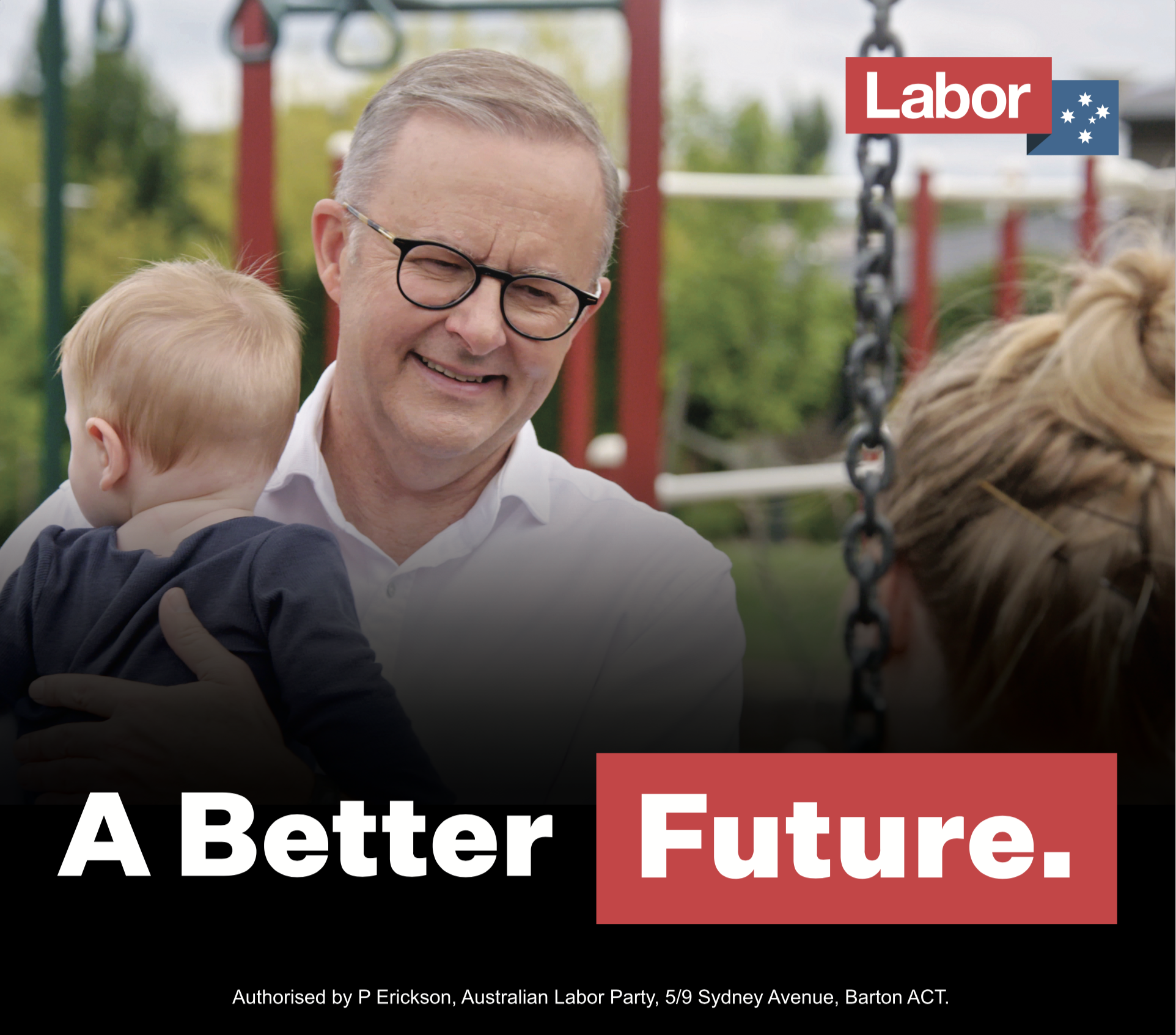
Each party selects 3 policies from the following list.
Stop coastal erosion by reducing coastal development
Reduce river pollution with restrictions on building and industry
Youth employment program to restore coastal sand dune vegetation
Reduce business tax to encourage hiring more workers
Increase spending on education
Increase funding for youth community programs
Increase funding to improve local roads
Stop development near National Parks to protect local ecosystems
Funding to support new business ideas
Part 2: The Election
Divide the classroom into five electorates. Each electorate has a different local concern:
Electorate 1: Coastal erosion
Electorate 2: Tax relief
Electorate 3: Youth services
Electorate 4: Transport congestion
Electorate 5: Conservation and protection of native vegetation
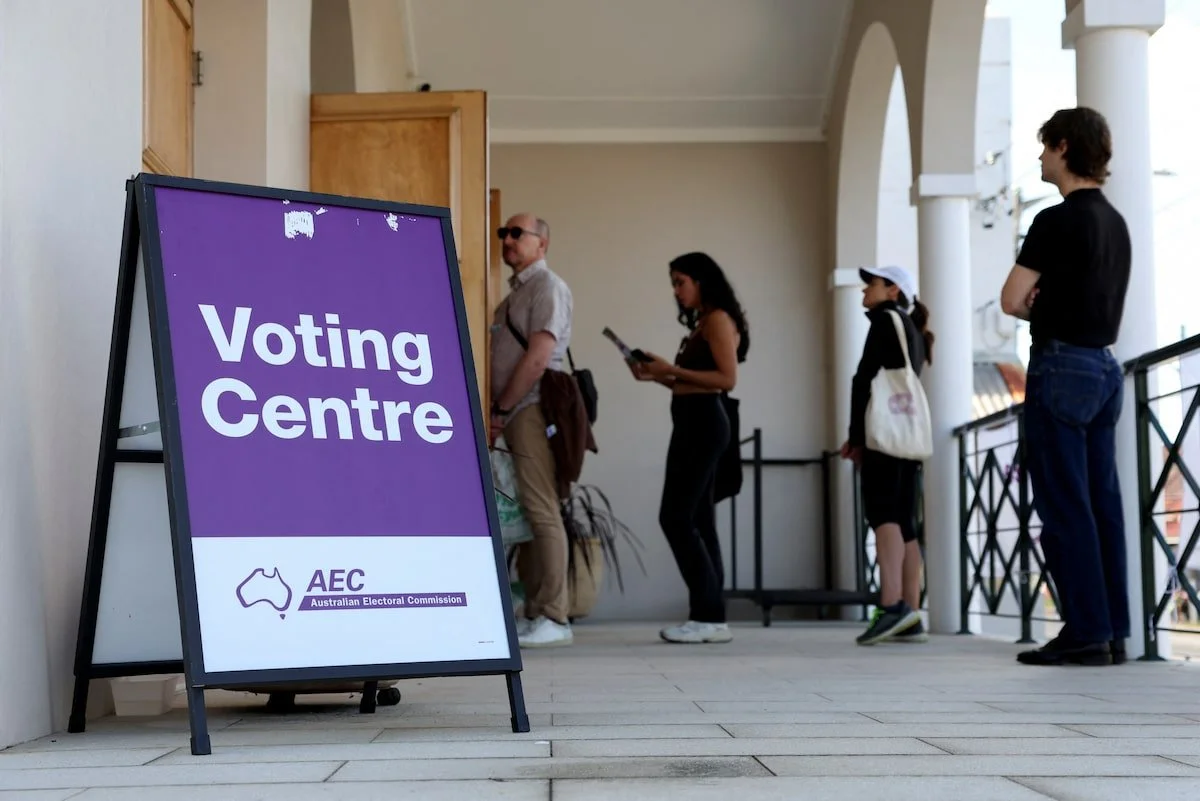
Each electorate votes for the party they think would best represent their electorate.
Each electorate produces one representative from one of the four parties..
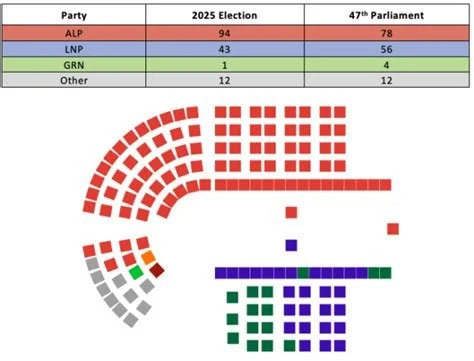
The party with the most votes overall forms a government.
The other candidates are elected to the House of Representatives as minor parties.
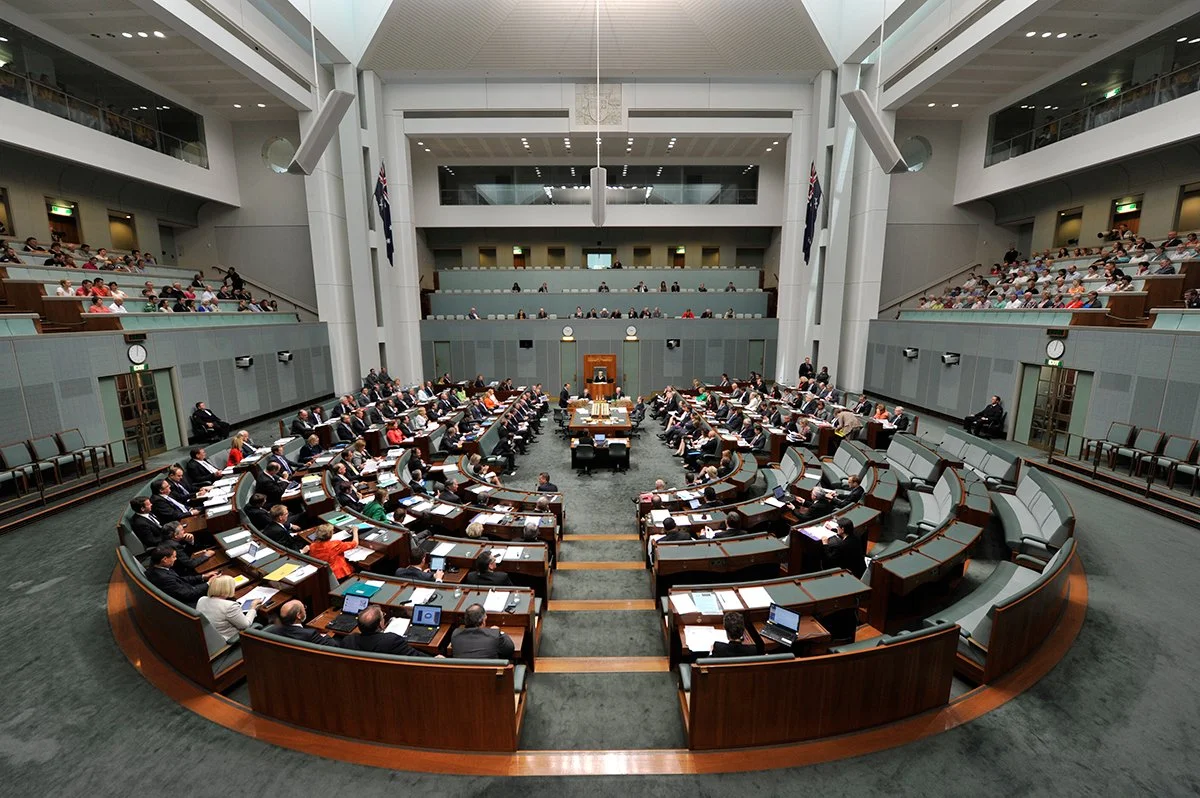
Part 3. Turning policies into legislation. The House of Representatives
The newly elected government’s first act is to propose legislation. Suggestions for each party.
The Environment Party: increase funding for coastal protection, but this will require reducing funding for new metropolitan roads.
Australian Youth Party: Increase funding for youth training but this will require reducing funding for new metropolitan roads.
Business Party: Reduce taxes, but this will require reducing funding for environment issues and new metropolitan roads.
Community Party: Increase funding for new metropolitan roads to improve community safety, but this will require increasing taxes.
The proposed legislation must first pass a vote in the House of Representatives and requires a majority vote to pass.
To do: How will each representative vote?
Part 4 . Student review questions
Why were political parties useful during the election?
How did the election allow citizens to influence government?
How did parties shape the choices available to voters?
Did the final government accurately represent the wishes of the majority of voters?
What are two benefits and one limitation of political parties?
Lesson 2. How are we informed about democracy?
Lesson 2. How are we informed about democracy?
Learning intentions
Understand where Australians obtain political / civic information.
Compare examples of information, opinion, persuasion and misinformation
Evaluate sources to understand if they help citizens make an informed decision
Explain how public understanding can be influenced by the source of the information
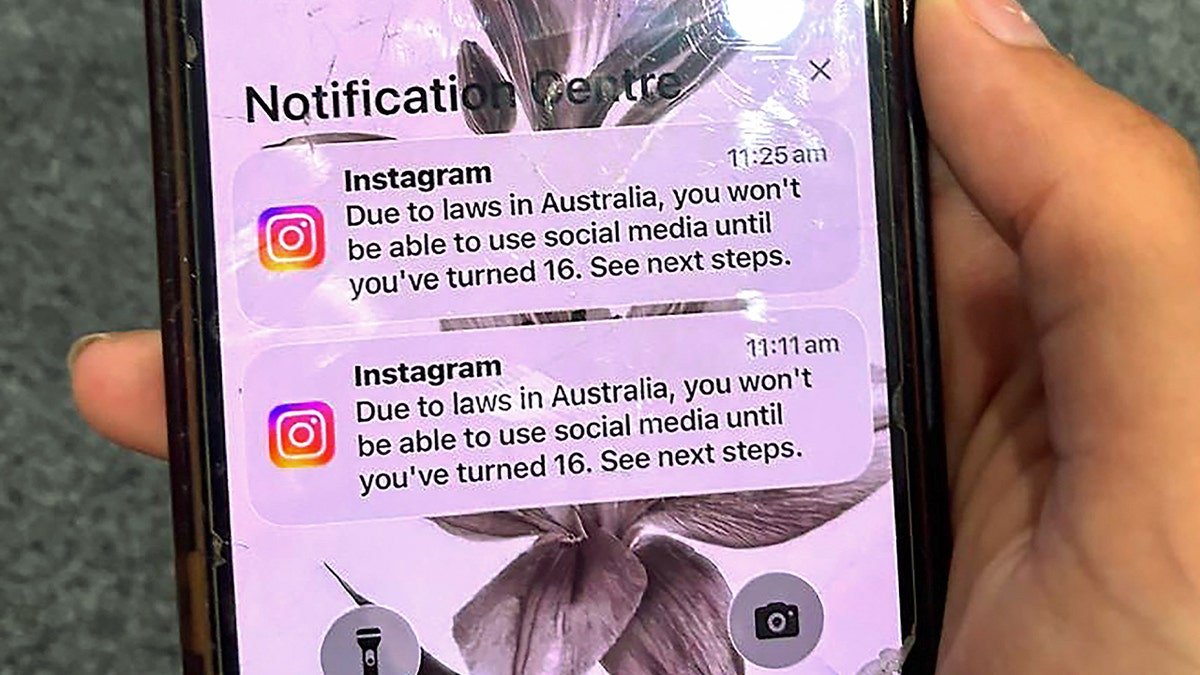
Scenario. The government is considering banning social media for people under 16.
Part 1. Starter questions.
Scenario: The government is considering banning social media for people under 16.
Where would you first hear about this?
Where would you go to find out what is actually being proposed by the government?
Which source would you trust most and why?
Which groups might try to influence your opinion?
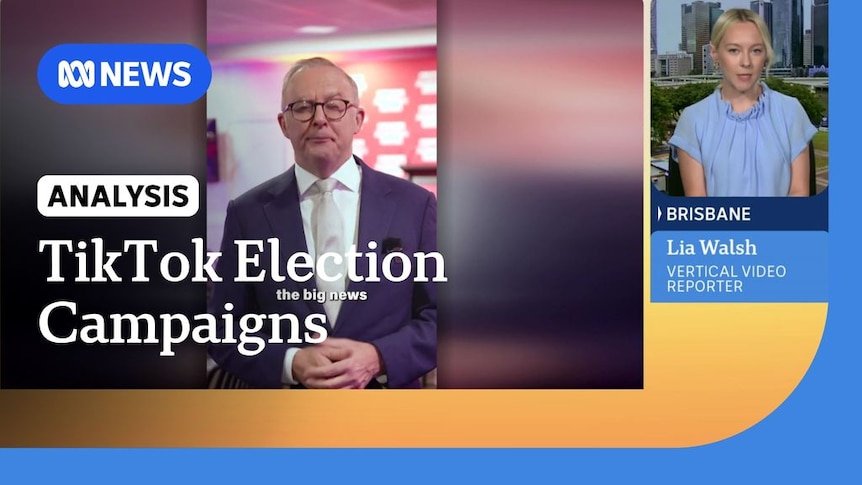
Part 2. Evaluating sources of information about current issues
Source analysis. (See slideshow. Sources of information)
Who produced the source?
What information or claim is being presented?
What is its purpose of the source?
Is there evidence provided?
Whose perspective is included?
What information or perspective might be missing from the source?
How trustworthy is the source for understanding the issue?
What other source would you consult before reaching a conclusion?
To do: DIY Source analysis
Find two sources of information about the Australian social media ban.
Analyse these sources using the 8 analysis questions
Part 3. Write a guide for informed citizens. (100 words)
To do: Write a guide for Year 8 students to help them understand political claims on social media.
Explain three steps they should take before believing or sharing it.
Identifying who created it and why?
Check the evidence and original context. Where can they go for this information?
Compare with independent or authoritative sources. Where can they go for this information?
Lesson 3. How are laws made and applied in Australia?
Lesson 3. How are laws made and applied in Australia?
Learning intentions
Understand how laws are made and applied
Understand the role of stakeholders
Participate in a simplified public debate and
Draft a bill
Explain how parliament passes a bill and creates a law
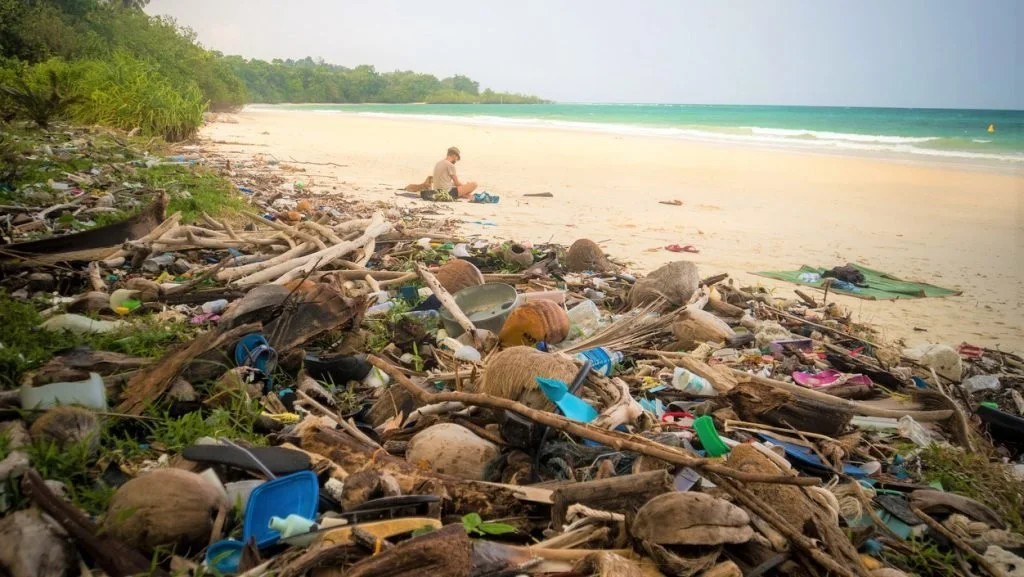
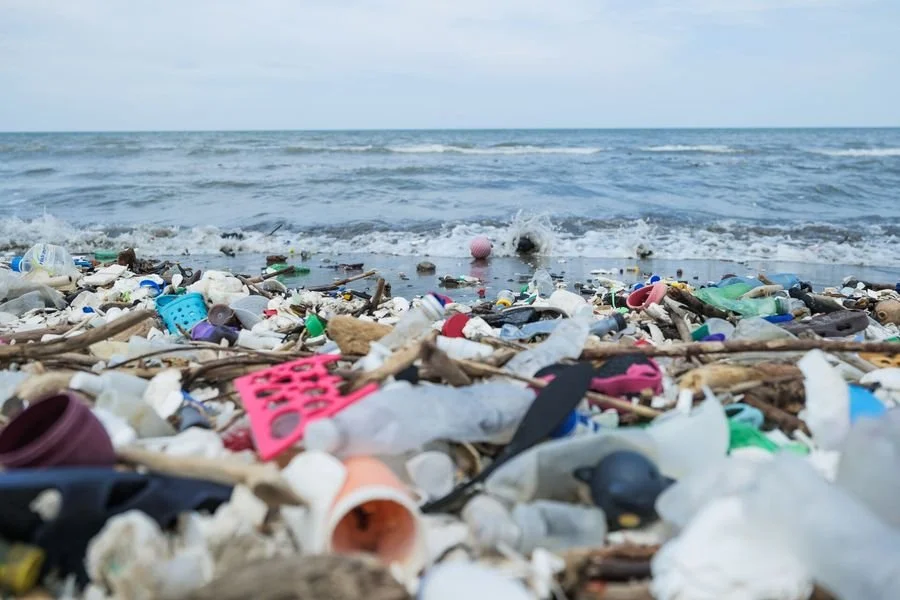
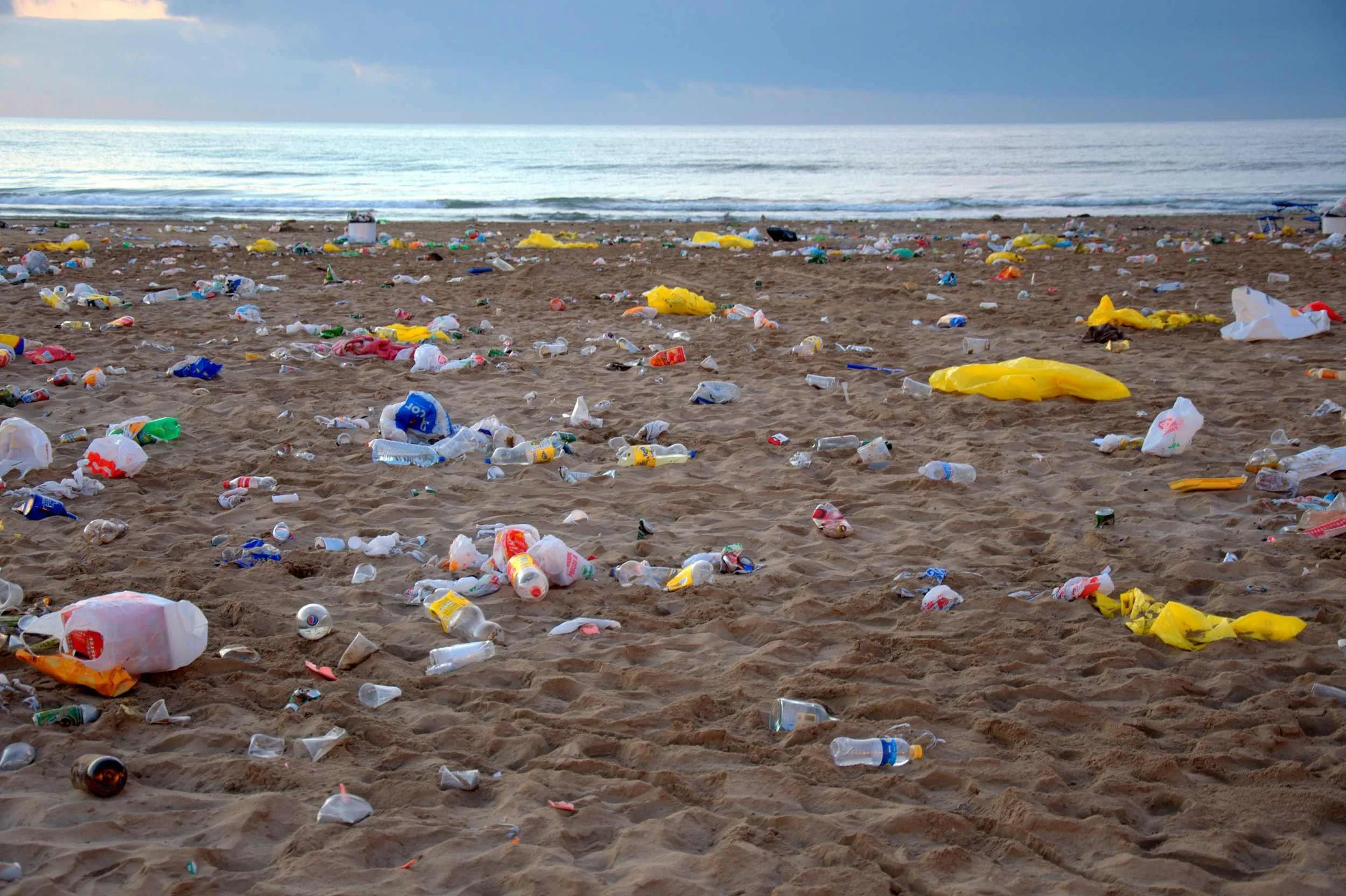
Scenario. Plastic pollution is damaging beaches and marine environments. The newly elected government has promised to reduce this pollution by banning selected single use plastic products.
Part 1. The public debate
1. Divide class into the following groups.
Environmental organisation
Plastics manufacturer
Compostable food container manufacturers
Cafe owners
Local councils
Coastal residents
Young environmental campaigners
The Government
The Opposition
2. Each group chooses 3 policies that represent their position.
Stop coastal erosion by reducing coastal development
Reduce river pollution with restrictions on building and industry
Youth employment program to restore coastal sand dune vegetation
Reduce business tax to encourage hiring more workers
Increase spending on education
Increase funding for youth community programs
Increase funding to improve local roads
Stop development near National Parks to protect local ecosystems
Funding to support new business ideas
3. Each group needs the following for the plastic ban consulting period.
The group position on the proposed ban
One piece of supporting evidence for the group position.
One change the group wants included in the law
A strategy the group will use to influence the Parliament plastic ban committee.
Each group presents their position to the class.
Part 2: Drafting the Bill
After consulting stakeholders, the government prepares a bill to present to parliament.
Government bills must be specific.
Complete the following information as a group for the proposed bill.
Which products will be prohibited?
Who is covered by the law?
When will the new law begin?
Will there be exemptions?
Which government body will enforce it?
Which penalties will apply?
How could someone challenge a decision?