Task 3. Oaklands wetlands poster
Key question: What are the purpose and benefits of the Oaklands Wetlands?
To do: Using evidence from your fieldwork at Oaklands Wetland, create a poster that explains the purpose and benefits of this man made wetland.
Include the following information in your poster:
Explain the purpose of the wetlands and include a map of the wetland and an annotated satellite image of the wetland catchment.
Use a diagram to explain how reeds clean the water as it passes through the wetlands?
Draw a map of the Oaklands Wetland that includes the five stages of filtering and purification.
Make sure you annotate each stage of the filtering process.
The five (5) stages of water filtering
Inlet and trash racks - removing the trash
Inlet ponds - the first stop on entering the wetland
Settling Pond - the water settles before entering the filter ponds
Filter Ponds - the water moves slowly through reeds to be cleaned
Outlet ponds - the collected water is stored here for later release
How is litter and pollution removed from the water entering the wetland?
Explain the purpose of the settling ponds.
Show how the water is cleaned in the settling ponds using drawings and diagrams.
What is the purpose of the filter ponds?
What happens to the water after it leaves the outlet pond?
What are the advantages of harvesting stormwater instead of using water from the Murray River?
Don’t forget!
Use notes from your fieldwork.
Use your photos to illustrate your poster
Include fun facts about the wetland
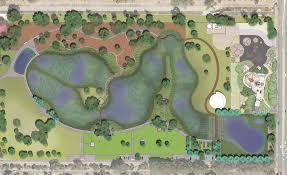
Activity 2. Design a wetland
The Oakland wetlands were designed and built to reduce flooding in the local area and clean up storm water. While it only covers an area of approximately 6 hectares its catchment area is around 380 hectares.
Any drop of water that falls in this area could potentially end up in the wetland along with many different pollutants that it can pick up along the way.
The Oaklands wetlands were also designed and built to create habitat and reduce pollution in local creeks.