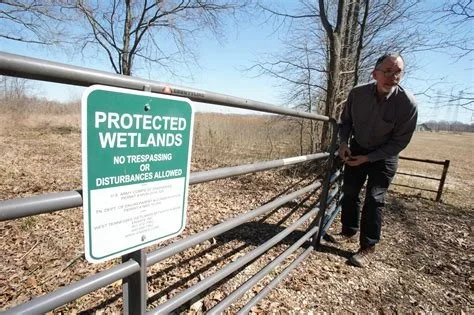
Wetlands
Introduction to wetlands
Wetlands are everywhere in Australia, from the man-made ponds of your suburb, and the rivers in central Australia that only see water every few years. We often pass them unnoticed and without a thought to the important jobs they perform each day.
Wetlands are unique ecosystems where land meets water, supporting diverse plants and animals. They act as natural water filters, improve water quality, and help regulate floods. Wetlands store carbon, making them vital in combating climate change. They provide habitat for many species, including migratory birds, and support cultural, recreational, and economic activities. Protecting wetlands is crucial for maintaining biodiversity, ecological balance, and the well-being of human communities.
Wetland definitions
What is a catchment?
A catchment is an area where water is collected by the natural landscape. Imagine cupping
your hand in a downpour of rain & catching water. Your hands have become a catchment.
What is stormwater?
Stormwater is rainwater that runs from roofs, roads, other hard surfaces and parks into
stormwater drains. It then flows into creeks, wetlands and the sea. Stormwater can be
captured, treated and used for non-drinking purposes.
What is a wetland?
Wetlands are natural or artificial areas where water collects and covers the soil all year or
just a part of the year. They can form in many different ways and can have names like
swamp, marsh, billabong and lake.
1. Virtual Fieldwork - Wetlands
Activity 1. Virtual Wetlands Excursion
Work through the five stations to gain a deeper understanding of wetlands. using the excerpts and photos to answer questions in your field trip booklet.
Once you have completed these questions, do the wetlands field sketch task on the board
Don’t forget to record any interesting observations.
Station 1. What is a wetland?
The term ‘wetlands’ included a vast range of water based areas including swamps, marshes, billabongs, lakes, salt marshes and peatlands.
Wetlands are vital habitats for international migration by birds, demonstrating how habitats around the world are connected.
This wetland (pictured) in Noarlunga, Adelaide was previously a sludge lagoon near a wastewater treatment plant, but it’s been transformed into a thriving wetland.
The restoration involved planting more than 200,000 native seedlings from 75 locally-sourced species, and has seen the area turn into a sanctuary for birds. About 80 different native bird species have already been spotted. .
To do: What is a wetland questions
List 6 examples of wetlands
Why are wetlands important for migrating birds?
What was the previous land use of the Noarlunga wetland in the photo above?
How many bird species have already been spotted at the Noarlunga wetland? .
Station 2. How do wetlands work?
Because of their unique ability to trap sediments within the river systems. Wetlands are essential for sustaining healthy rivers, on which communities throughout Australia depend.
As sediment, excess nutrients and chemicals flow off of the land, wetlands filter the water. Nutrients are stored and absorbed by plants or microorganisms. Sediment settles at the bottom after reaching an area with slow water flow.
To do: How do wetlands work questions
How do wetlands clean water from rivers?
Draw a field sketch showing how wetlands work using the diagram
Extra: What are the possible problems associated with clearing wetlands for development and agriculture?
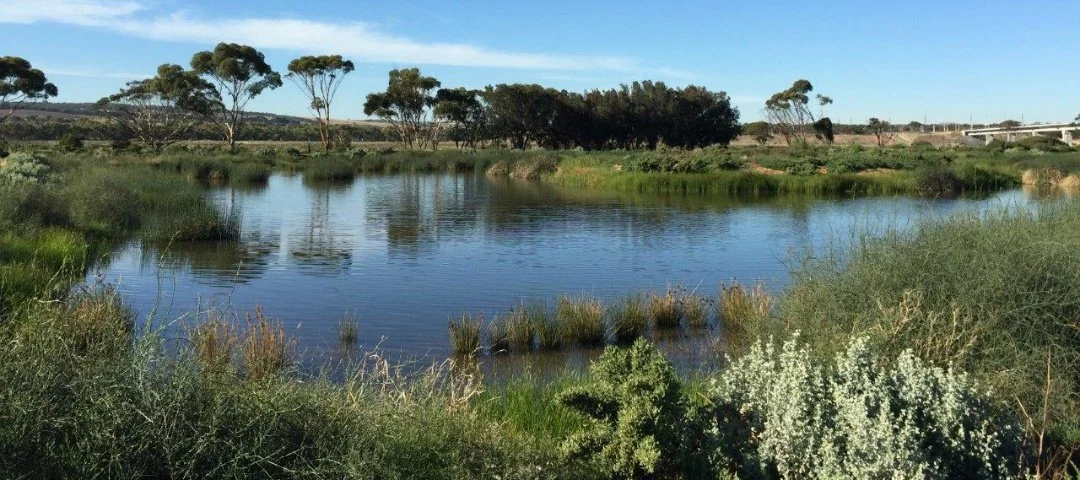
Source 1. Noarlunga Wetlands. Adelaide
Station 3. Oaklands Park Wetlands. Adelaide
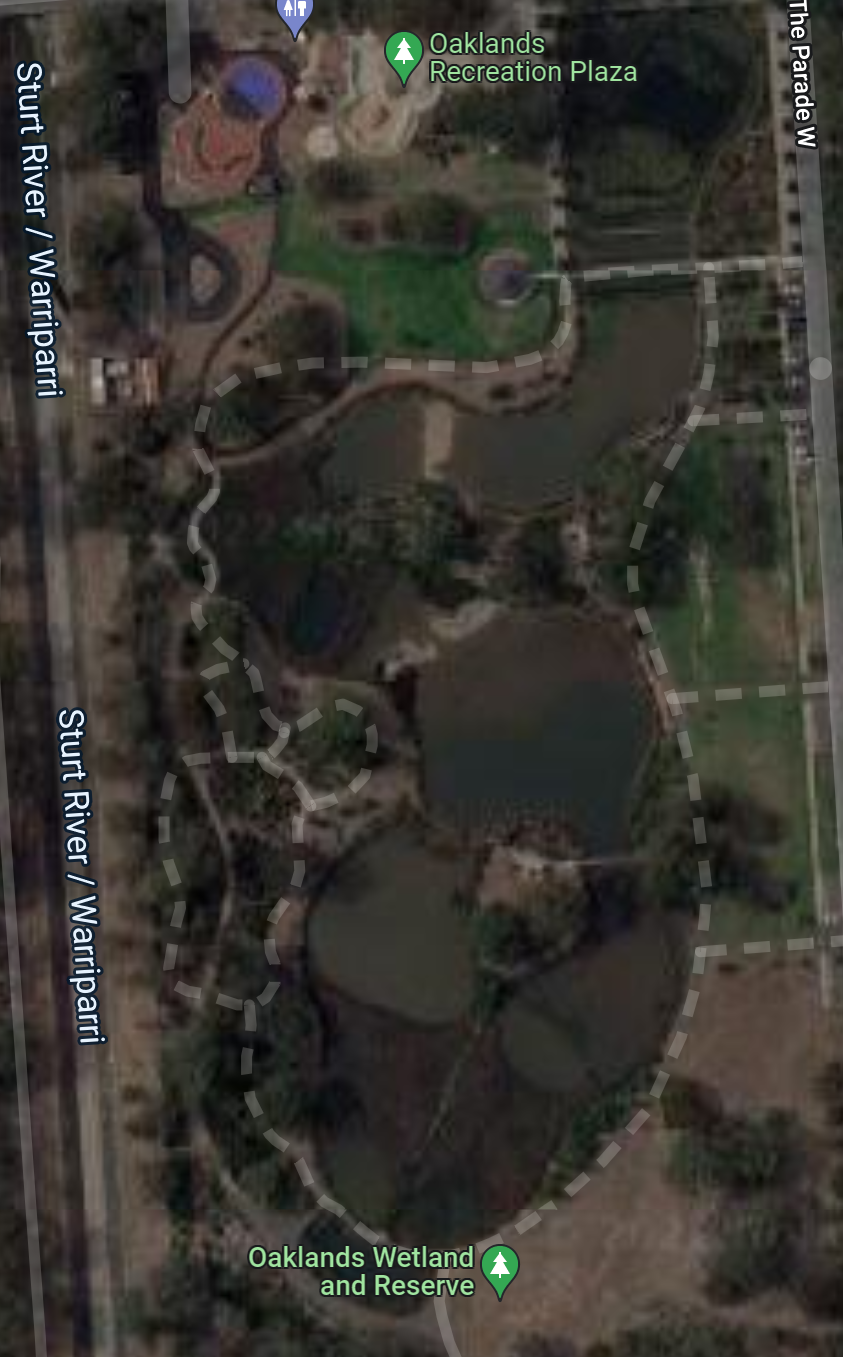
The Oaklands Park Wetlands are one solution to the problem of river pollution. Sturt Creek, the creek that enters this wetland starts in the Adelaide foothills, travels through Bedford Park and the south eastern suburbs before entering the Oaklands Park Wetlands. The wetland captures water from the Sturt River, and uses the process described in station 2 to clean it. The water is then stored underground for later use in the parks and gardens in the local area.
The wetland is an example of how we can copy nature to ensure we have clean water.
To do: Oaklands Park Wetlands questions
What is the purpose of the Oaklands wetlands?
describe the process the wetland uses to clean the water?
Use source 3 to list five (5) other uses for the Oaklands Wetlands.
Extra: How do the Oaklands Park wetlands benefit communities downstream?
Station 4. Life in the wetlands
Wetlands are highly productive ecosystems, supporting complex food chains, many habitats and a high species diversity.
Many wetlands provide nursery areas for fish and breeding grounds for birds, particularly water birds
Wetlands provide refuge for migratory waterbirds resting on their trips across the world to breed
They provide important refuges for wildlife in drought
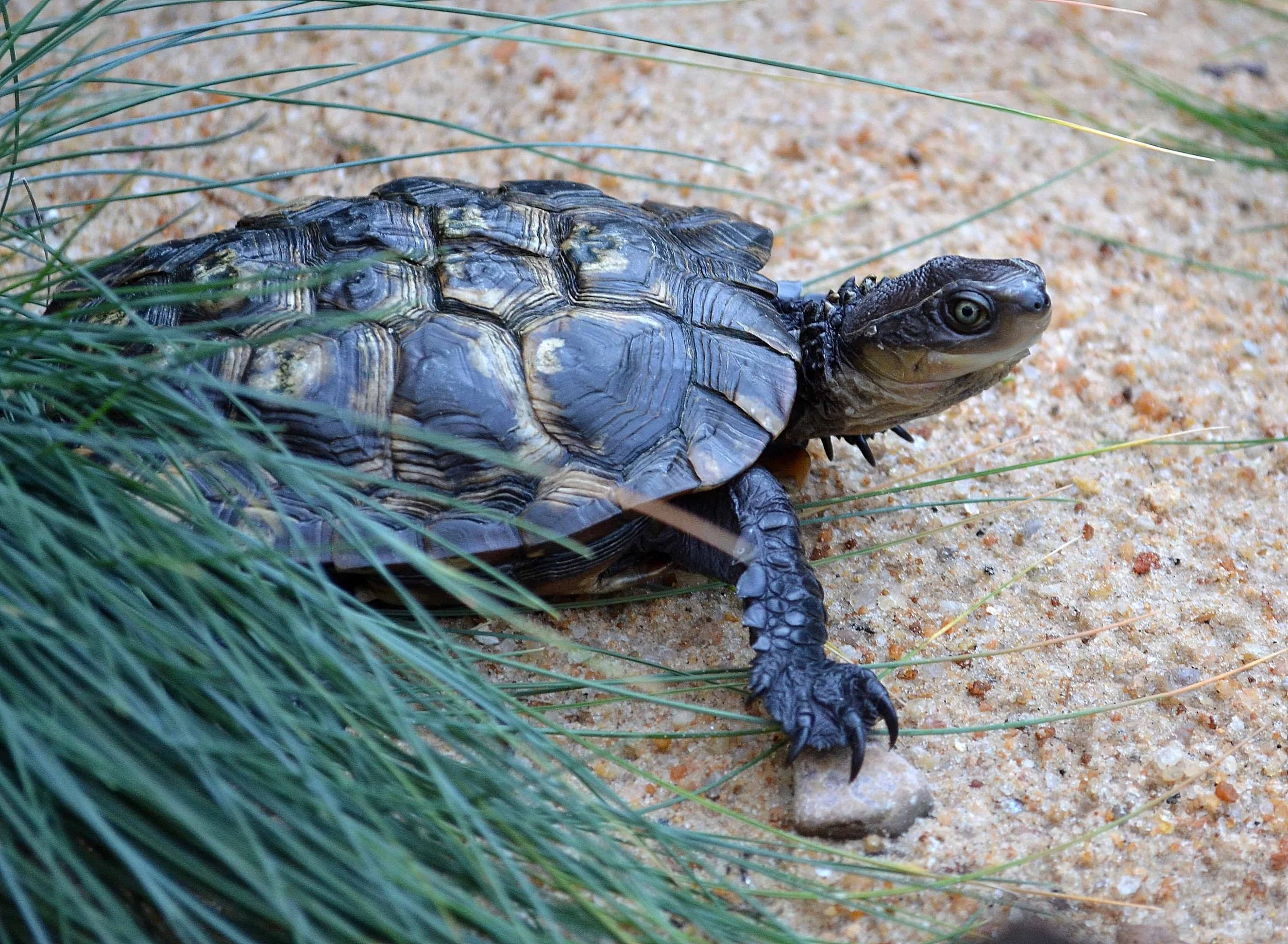
Wetlands provide vital habitats for threatened species such as the magnificent Bengal Tiger in the Mangrove Forests of the Sundarbans on the Indian Subcontinent, and the Western Swamp Tortoise )Source 5) which is only found in Western Australia and lives in only two wetland areas, the Twin Swamps & The Ellen Brook Nature Reserve
To do: questions
Explain why wetlands are important to the birds and fish that live there.
What is a fish nursery?
List reasons why wetlands are important for fish breeding.
Why do you think the Western Swamp Tortoise is endangered?
Station 5. The benefits of wetlands?
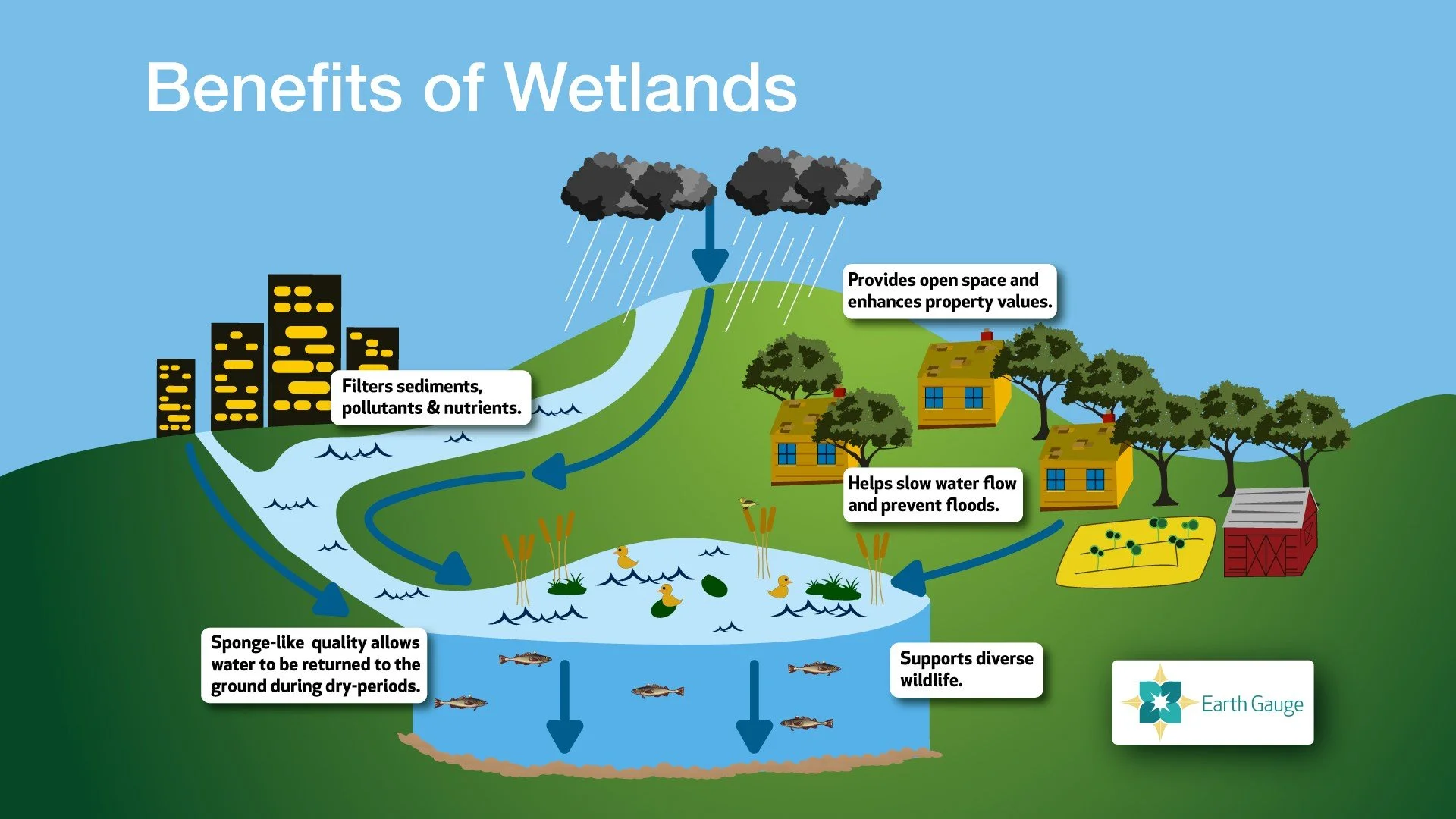
They act as natural water filters, improve water quality, and help regulate floods. Wetlands store carbon, making them vital in combating climate change. They provide habitat for many species, including migratory birds, and support cultural, recreational, and economic activities.
To do: questions
Describe five benefits of wetlands?
Use your new understanding of wetlands to draw a diagram of the components and processes of a wetland
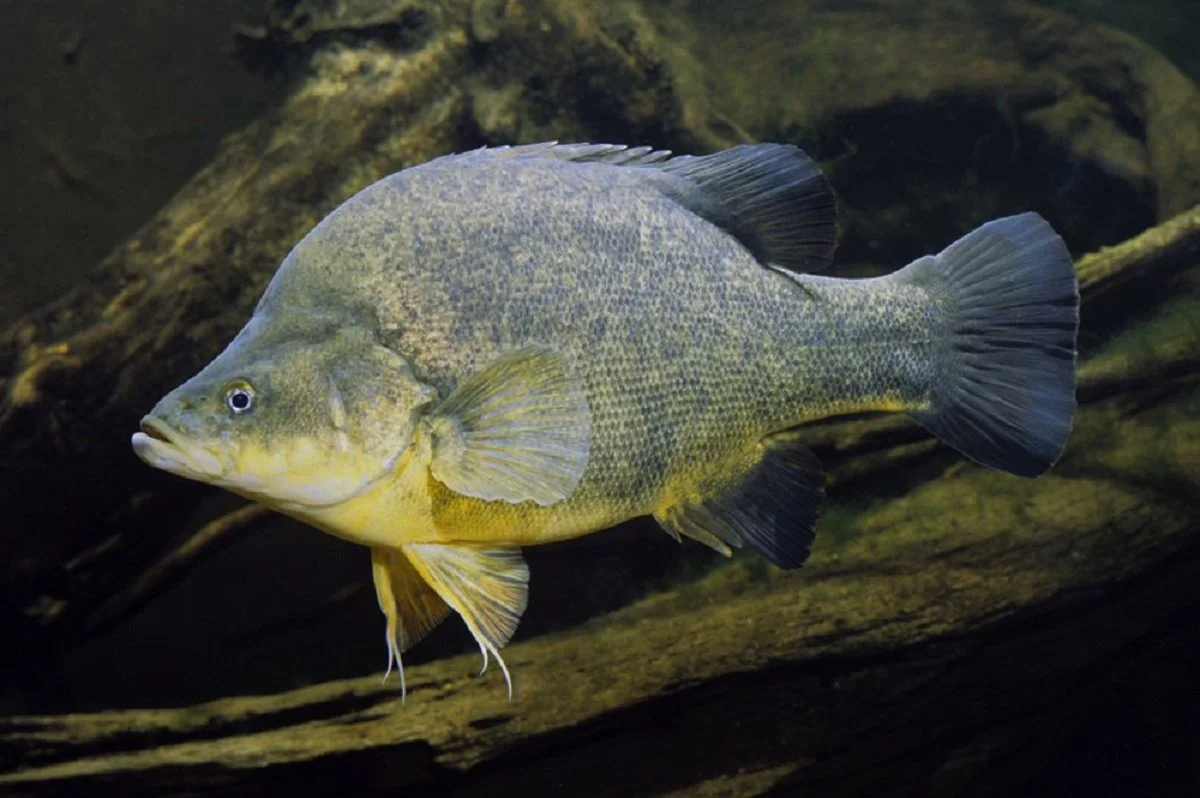
Source 4. Wetlands Fish
Source 5. Western Swamp Tortoise
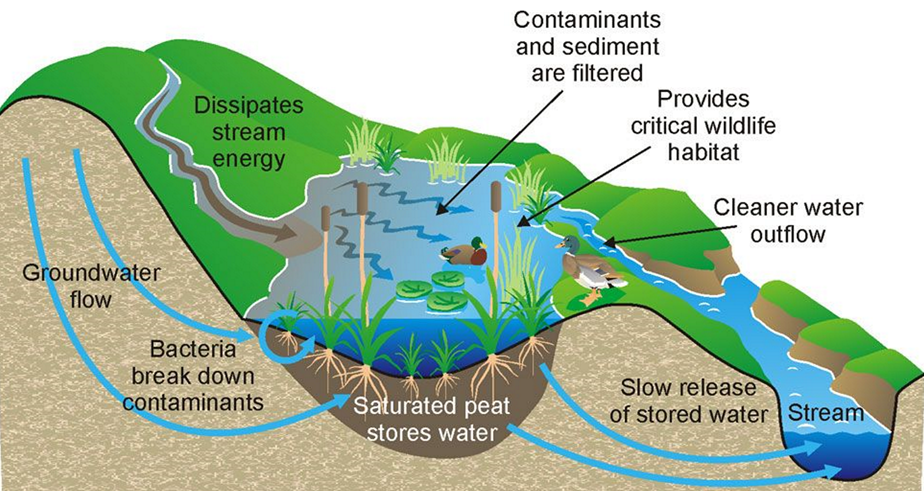
Source 2. How Wetlands clean the water column
Source 3. Oaklands Park Wetlands
Source 6. Benefits of wetlands
2. Designing a Wetland
Activity 2. Design a wetland
The Oakland wetlands were designed and built to reduce flooding in the local area and clean up storm water. While it only covers an area of approximately 6 hectares its catchment area is around 380 hectares.
Any drop of water that falls in this area could potentially end up in the wetland along with many different pollutants that it can pick up along the way.
The Oaklands wetlands were also designed and built to create habitat and reduce pollution in local creeks.
Designing a wetland
Your job is to design a wetland for the Oaklands Park site.
Use the map to design your wetland.
Use annotations to show the location of the 10 wetland features.
10 Wetland Features
1. Inlets - where the water enters the wetland from stormwater drains and creeks
2. Trash Racks
3. Settling Pond - the water settles before entering the wetland
4. Filter Ponds - the water moves slowly through reeds to be cleaned
5. Outlet ponds - the collected water is stored here for later release
6. Islands for bird habitat
7. Bridges & walkways - Access for geographers
8. Vegetation for bird and fish habitat
9. Outlet ponds - moving out of the wetland
10. Outlet
Activity 3. Write a Local Environmental Law
Scenario. Draft the environmental legislation to protect a local wetland.
In this activity you will draft a simple law designed to protect a wetland.
1. Your proposed law should identify the following factors:
What is the problem being addressed
Which actions are permitted or prohibited in and affecting the wetland
Who in responsible for enforcing the law
What are the consequences for breaking the new law?
Include exemptions or special circumstances
Include a description of how the law protects community users and the wetland environment
2. Submit the law to a class discussion. Test the proposed law using hypothetical cases to identify whether it is clear, fair and consistently enforceable.