River Ecosystems
Human activities and river ecosystems
Human activities significantly impact river processes, leading to negative consequences for river ecosystems.
These impacts include altered river flow patterns, pollution from various sources, habitat destruction, and changes in sediment transport.
Human interventions like dams, urbanisation, agriculture, and industrial activities disrupt natural river ecosystems, affecting water quality and biodiversity
A framework for thinking about this topic:
The landforms associated with fresh water ecosystems.
The human dependence on freshwater ecosystems.
The human impacts on freshwater ecosystems
1. River landforms
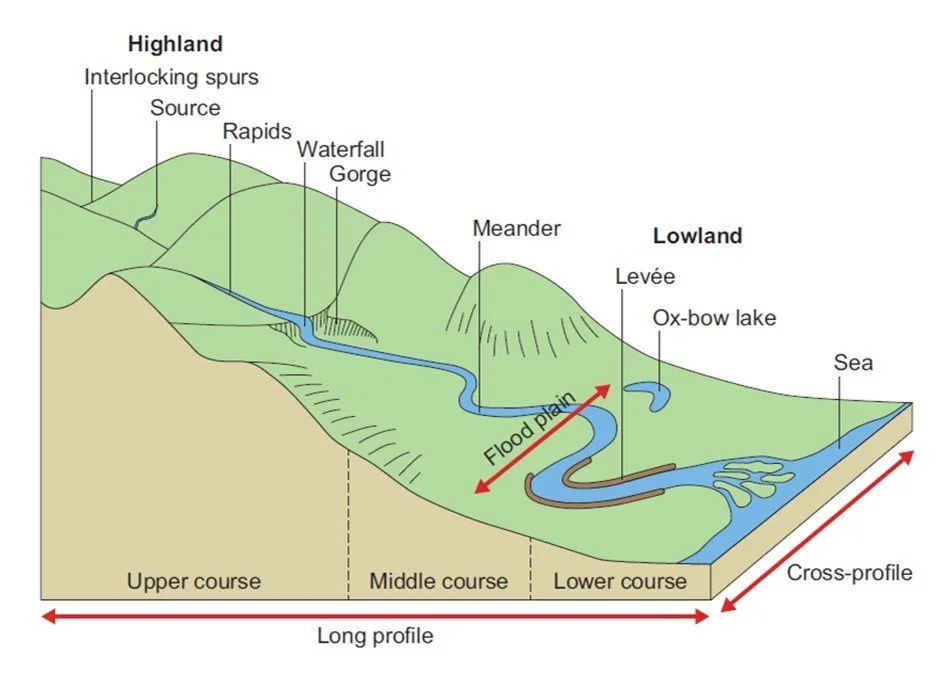
Rivers constantly shape the landscape as they flow from their source to the sea. Over time they erode, transport and deposit material, creating distinctive landforms such as valleys, meanders, floodplains and deltas. In this activity you will investigate how rivers change the land and identify the key landforms formed along a river’s course.
Complete the following 5 questions for an introduction to river landforms.
1. Define the following river landforms.
River
Source
Mouth
Tributary
Catchment
Floodplain
Ground water
2. Draw and label a diagram with the seven river landforms.
Background briefing: Erosion and deposition
As rivers flow downhill, the moving water and sediment wear away rock and soil from the river bed and banks through processes such as hydraulic action, abrasion and solution.
The eroded material (sand, silt, clay and small rocks) is carried downstream by the river’s current.
As the river slows and loses energy on the floodplains , it deposits this sediment.
Fertility benefits of sediment
The deposited silt is rich in minerals and organic matter, creating fertile soils that support agriculture and productive ecosystems along river valleys and floodplains.
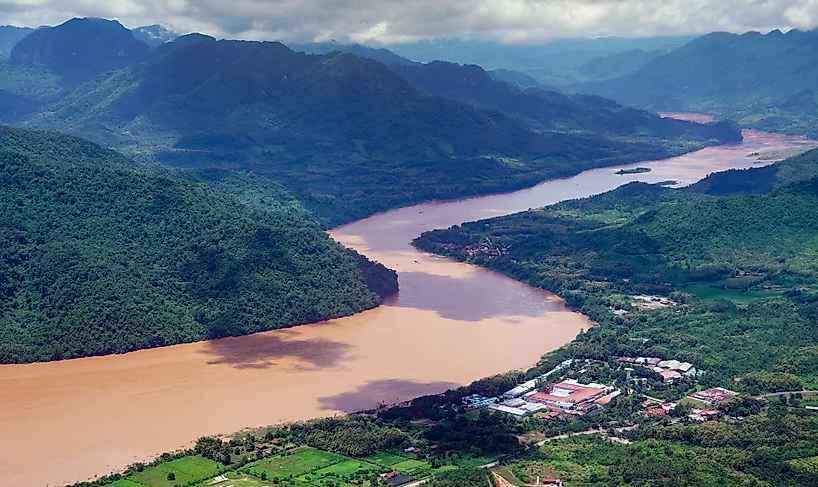
The image shows the Mekong River with a high sediment load during the wet season.
Where has the sediment come from?
How is the sediment transported to the floodplain?
What are the benefits of sediment for human and natural ecosystems?
d. What are the negatives of sediment in a river?
What happens sediment levels if more dams are developed in the upper section of the river?
2. Human dependence on freshwater ecosystems.
Freshwater ecosystems such as rivers, lakes and wetlands are essential for human life. They provide drinking water, support agriculture through irrigation, supply fish and other food sources, and help regulate floods and water quality.
Healthy freshwater ecosystems also support biodiversity which supports human systems.
To do. How do humans use freshwater ecosystems?
Make a list of all of the ways that humans depend on freshwater ecosystems.
Sort your list into the four main human use categories.
Domestic water supply
Food production / agriculture
Economic uses / industry
Environmental benefits
Identify one possible environmental impact of each use.
3. Human impacts on freshwater ecosystems.
Human impacts on freshwater resources
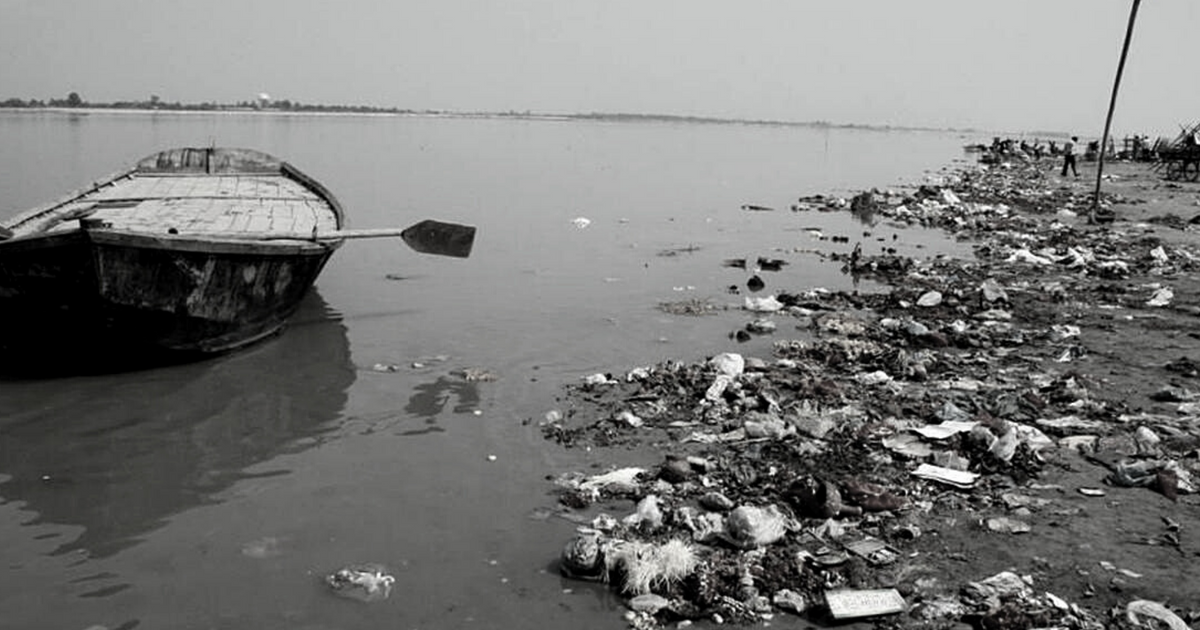
Human activities significantly impact river processes, leading to negative consequences for river ecosystems. These impacts include altered river flow patterns, pollution from various sources, habitat destruction, and changes in sediment transport.
Human interventions like dams, urbanisation, agriculture, and industrial activities disrupt natural river ecosystems, affecting water quality and biodiversity
To do. Human impacts poster
Use the following to create a poster that summarises the four primary human impacts on the worlds fresh water resources.
Agriculture: Agriculture is the biggest user of water using large amounts of water to irrigate crops and stock. This reduces the amount of water in rivers and groundwater. Agriculture can also pollute water through its use of fertilisers and pesticides and through animal waste run off. Fertilisers can cause algae to grow in lakes and rivers which can damage ecosystems.
Deforestation: When humans cut down trees, there is less interception and therefore less canopy drip and stem flow. Deforestation tends to increase the risk of flooding because water reaches the ground and rivers quicker, causing the ground to become saturated and rivers to flood.
Dams: Dams create artificial surface stores (reservoirs). They can also reduce the velocity and discharge of rivers by regulating the amount of water released. Because they can regulate the amount of water released they also reduce the risk of flooding.
Industry: Industry is a big user of water flows in rivers and ground water levels. Industry can also be a big polluter as well. Chemicals and metals that are spilt or dumped into rivers can damage ecosystems and make water harmful for humans to drink.
4. Mekong debate.
Should the Mekong be Dammed? - A debate in 6 parts
Problems?
The dam will flood a large area, making it unusable for anything other than fishing and other water-based uses. The dam controls the amount of water released downstream, which interferes with the natural flooding cycle of the basin.
Both the natural environment and human communities benefit from these natural flooding cycles.
Benefits?
The construction of a dam creates thousands of jobs for local people over the period of construction, and results in many economic benefits for the country.
For instance, a dam makes possible the controlling of flood waters, the development of new services and facilities such as roads and electricity supply, the generation of readily available and cheap electrical power, and the gaining of foreign currency through sales of the electric power to neighboring countries.
It can also control the flow of the river allowing irrigation downstream throughout the year.
The Debaters
Things to consider:
Where are you from. Give us the background and ensure your group/organisation has a catchy name.
Explain your concerns. Outline the impacts you would like to celebrate / mitigate.
Suggest / recommend possible solutions
Chinese official
We do not want to damage the river, however if we want to develop our economy we need the electricity.
We have no alternative.
Laotian government official
Our people live in poverty. Infant mortality is increasing. We need to increase people’s standard of living. The development which the dam will bring will achieve this by giving us a product – electricity – that we can sell to other countries which are already developed economically. People who are already developed should not try and stop us from gaining these economic and social benefits as well.
Cambodian Fisherman (Tonle Sap)
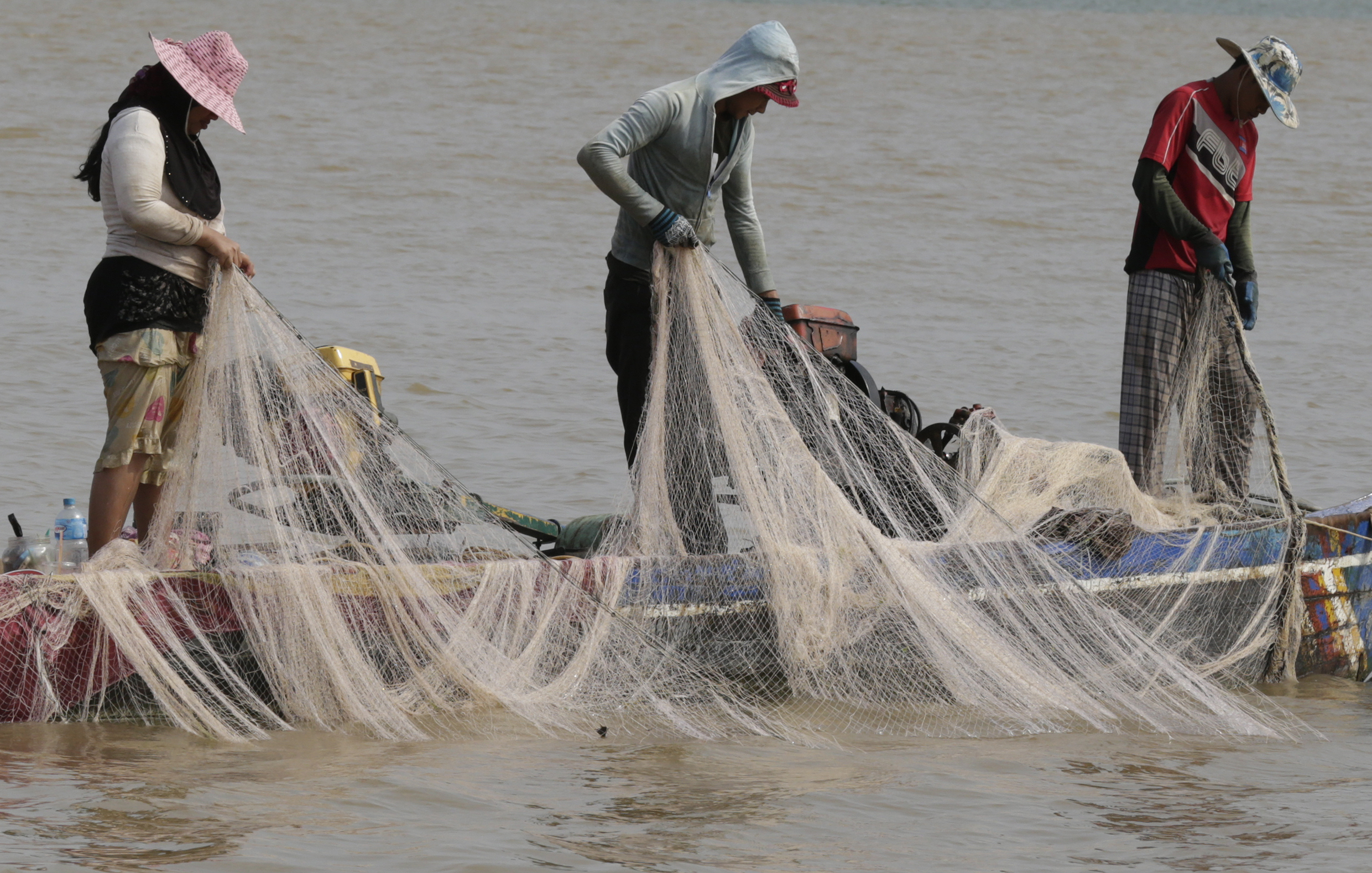
Fishing is a major industry in this region. Hundreds of thousands of tonnes are caught every year. Most local families supplement their income by fishing. We fear that when the dams built the fish stocks will decline and we will go hungry
Vietnamese Farmer
The dam will hold back destructive flood water and allow irrigation for the dry seasons, so areas now unproductive can grow rice.
This will be a wonderful advantage for many areas.
However, without the annual flooding we will need to buy more fertiliser and will probably have to pay for water now.
Mekong Ecology Alliance
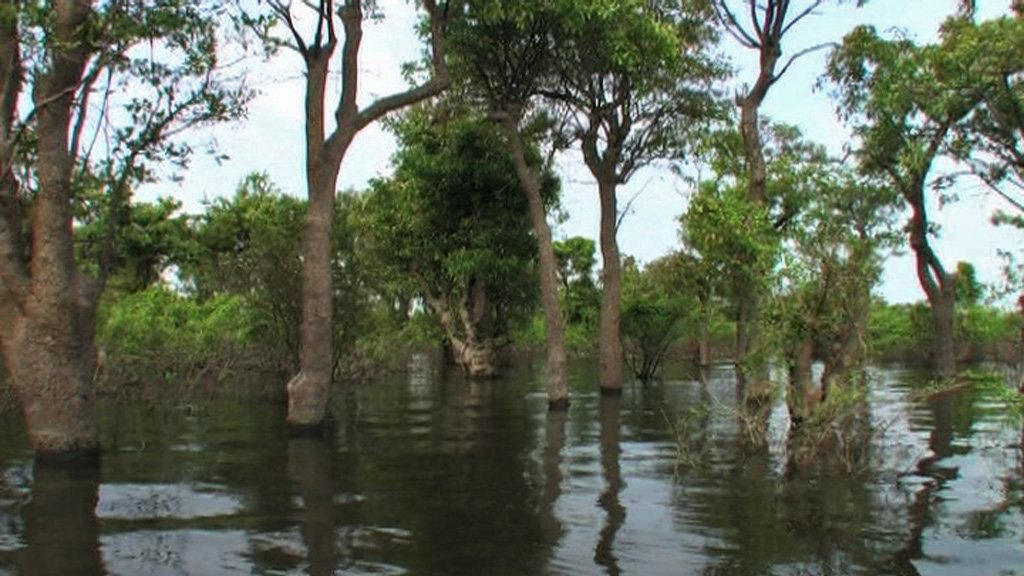
Flooding will cause a loss of habitat for some large animals and land-based birds, though water birds will increase greatly. We are also very concerned about the downstream impacts of the changes to the river flows on ecosystems.