To what extent do you agree with the following statement.
'British colonial rule was responsible for the decline of India and only benefitted England'.
The following are specific sub questions (paragraphs) that you should address in your response.
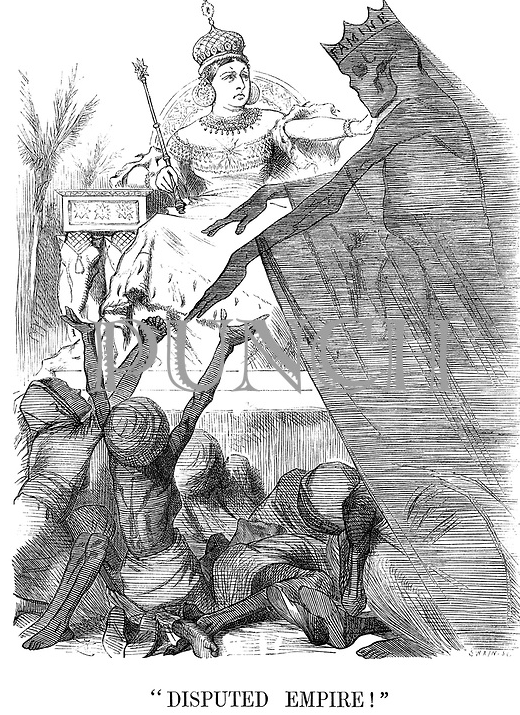
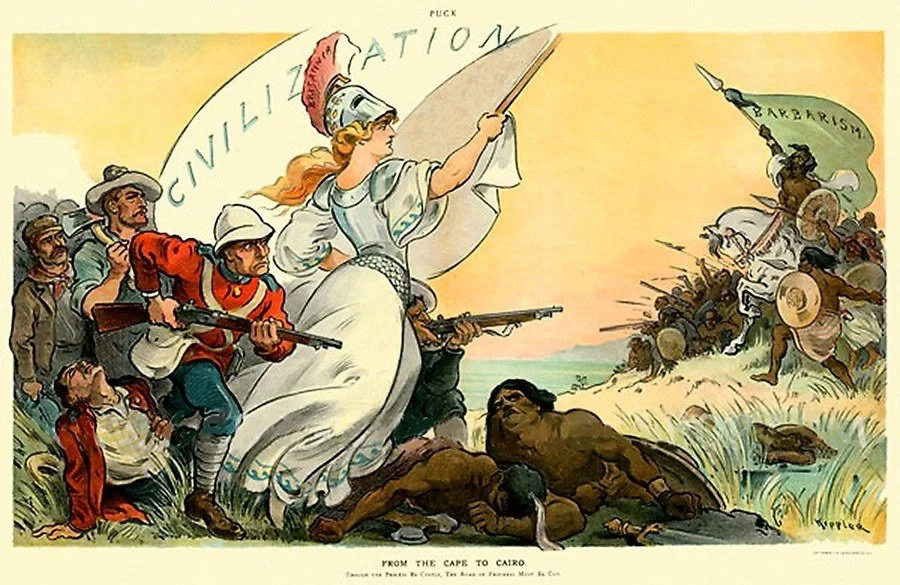
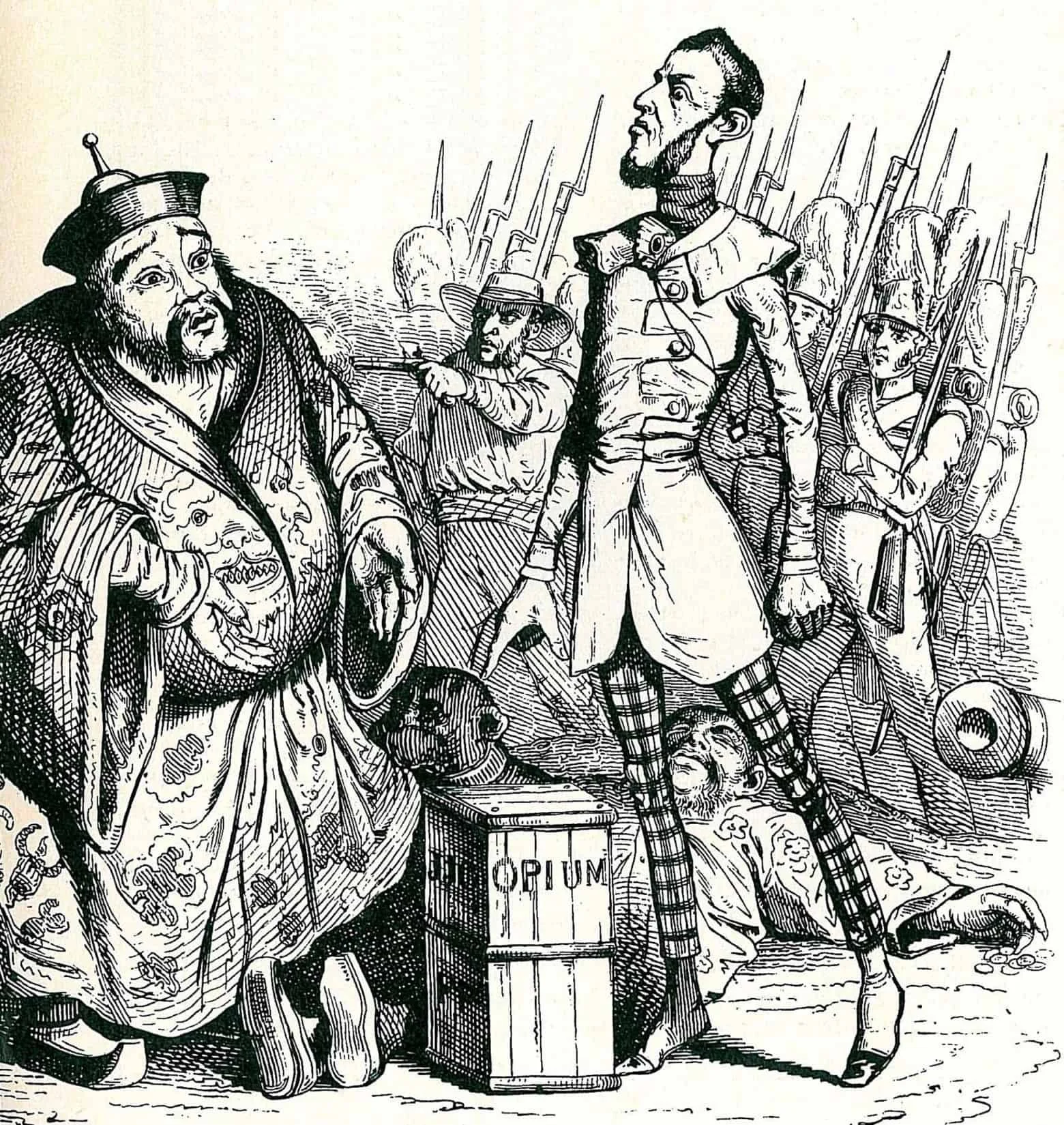
What were the motives behind the British imperial expansion generally and with specific reference to India?
What were the impacts of the colonisation of India on the Indians (good and bad)?
What were the impacts of the colonisation of India on the British (good and bad)?
Use the following guide to help structure and write this response:
Essay written entirely in class
No AI tools, internet, or notes beyond the approved planning page
One handwritten or printed Essay Plan Notes page allowed (see below)
Teacher may set slightly different questions for different classes
Submit planning notes at the end of the test.
Remember: Strong essays are built on clear thinking, not perfect wording.
If you cannot explain your argument without reading it, you do not understand it.
Essay planning instructions
Allowed Format
Bullet points only
Single A4 page
Handwritten or teacher approved printed sheet
No full sentences
No quotations longer than 5 words
Not Allowed
Paragraphs of prose
Pre‑written introductions or conclusions
Model answers
AI‑generated text copied verbatim
How to plan your essay
For each body paragraph
Main claim
2–3 pieces of specific evidence
Link to the question
Ensure you include a counter argument.
Alternative interpretation
Limitation of your argument
Paragraph Plan
P1. Discussion of the British motives for empire.
What is meant by the term 'Age of imperialism'
Describe British imperial ambitions, what did they hope to gain?
What were the aims of the East India Company and how did this ultimately lead to British government rule of India?
P2. Explain the negative aspects of colonisation for India
P3. Explain the positive aspects of colonisation for India
P4. Explain the positive aspects of colonisation for the United Kingdom
P5. Explain the negative aspects of colonisation for the United Kingdom
Conclusion