
11 History - Home


Stage 1 History- Half year (10 Credits)
Topic 1. Imperialism
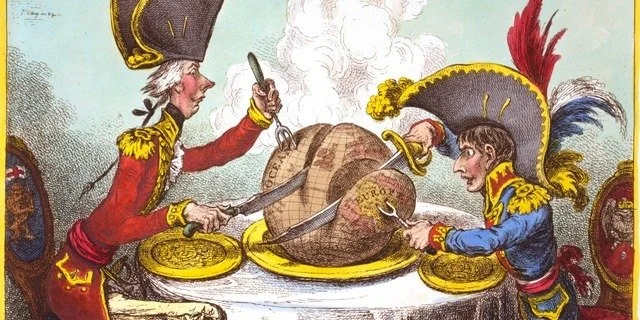
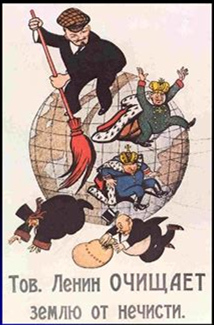
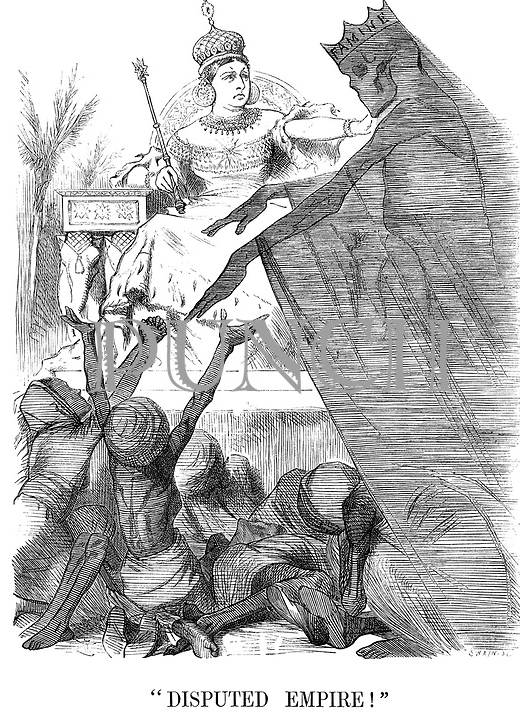
European imperialism has been a major influence on the world since 1750. There were significant differences between the stated ideals of imperialism and the realities of empires. Similarly, the experience of imperialism varied according to place, time, and individual circumstances and responses.
An overview of the meaning of imperialism in various forms and contexts.
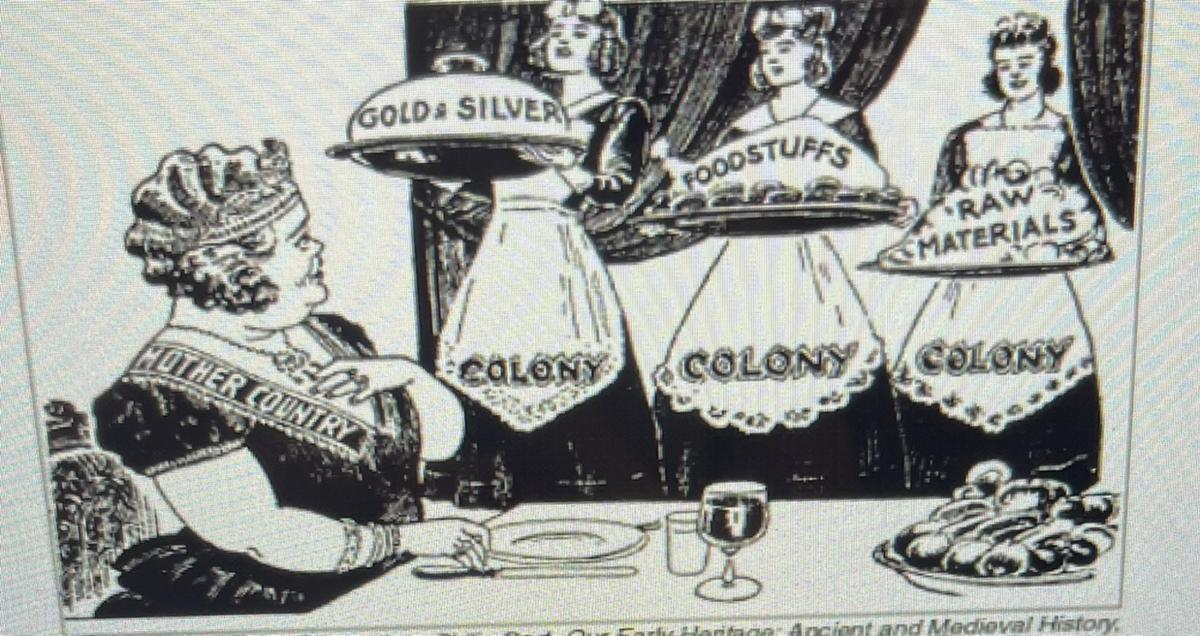
The political, economic, cultural, and territorial motives for imperial expansion.
Examples include the industrialisation and emergence of market economies, trade, and capitalism in Europe; and nationalism, building of the empire, and militarism.
The short-term and long-term effects of the process of imperialism.
Examples include colonisation, power, and authority; the erosion and/or imposition of language; religious beliefs, missionaries, and education; the establishment of treaties; fear and persecution; legal and bureaucratic systems; the ownership of land and resources; the impact on the lives of women; and the movement of people.
The experiences and responses of colonisers and colonised people to the imperial expansion, and the changes to existing cultures that occurred as a consequence.
The short term and long term consequences of imperialism. Examples include international alliances and tensions; and wars between imperial powers.
Topic 2: Decolonisation
The process of decolonisation was driven by a multitude of factors. Although similarities exist, each experience of decolonisation was different and involved interrelationships of ideas, leaders, and movements.
An overview of the meaning and experiences of colonisation and decolonisation.
The social, political, and economic characteristics prior to national independence.
Examples include political and legal structures; language and identity; the experiences of those living under colonial rule and living through decolonisation; the nature of the imperialist economy; and the nature of the ‘decolonised’ communities and states.
Examples include war, trade, disease, and changing attitudes.
Internal forces that challenged power structures in a society and influenced movements for decolonisation.
The social, political, and economic legacy of imperialism and independence.
Topic 3: Independence movements and the Cold war
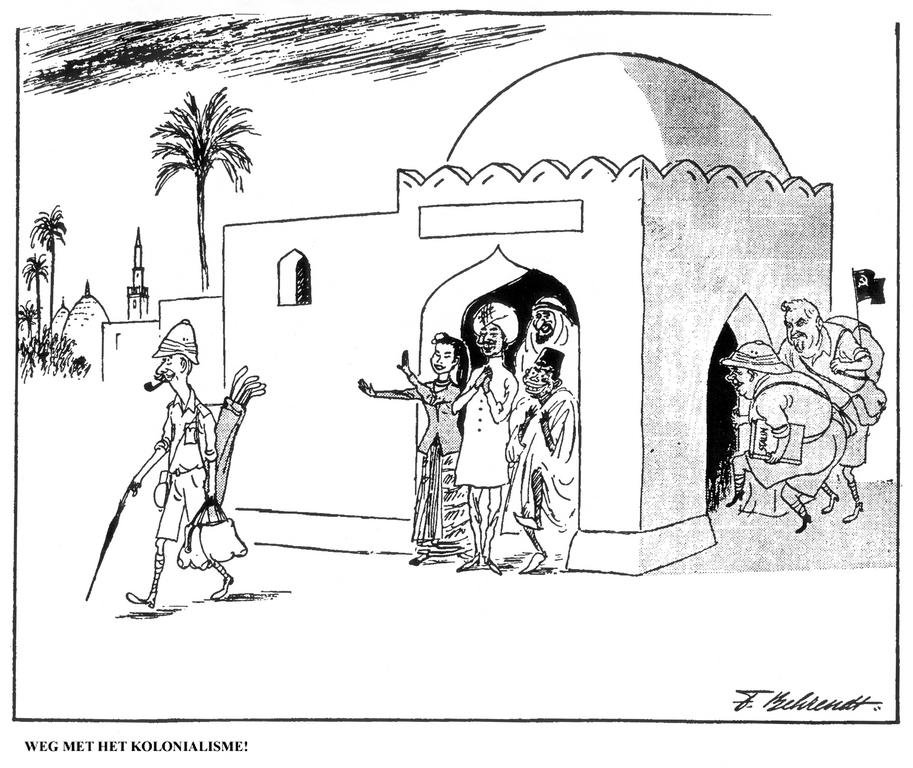
This topic examines how global power shifted after the end of European empires and how Cold War rivalry shaped newly independent nations.
The emergence of the Cold War following World War II and the decline of European imperial powers
The role of the United States and the Soviet Union in newly independent nations
Superpower influence through military, political, and economic intervention
Case studies such as Congo, Vietnam, India, Egypt, and Yugoslavia
The Non-Aligned Movement and attempts to resist superpower pressure
The concept of neo-colonialism and economic influence after independence
The extent to which decolonisation resulted in genuine independence or continued external control