Task 4. Mekong River Report
Introduction to the Mekong River Project
The Mekong River is one of Southeast Asia’s most important waterways, supporting millions of people through fishing, farming and transport. In recent decades, several countries have planned and built large dams along the river to generate hydroelectric power and support economic development.
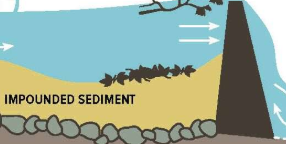
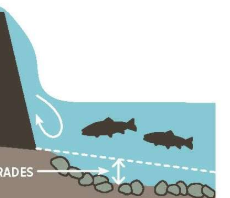
Critics of these plans argue that dam construction will change river flow, trap sediments and disrupt fish migration, affecting ecosystems and human communities that depend on the river downstream.
To do. Dams on the Mekong
Use a map to show the location of the Mekong River.
Why are the main reasons for the construction of the dams on the Mekong River.
List the primary criticisms of the dam construction program.
Task 4. The Mekong River environmental impact assessment (EIA)
Task brief: Examine the environmental and human impacts of Mekong River dams on downstream systems, including fisheries, agriculture and sediment flow.
Task outline: See below for the Environmental impact assessment (EIA) sources.
Introduction
Mekong region country development status
Map analysis: Location and impacts of the completed and proposed dams
Economic analysis: Trend in fish catch on the Mekong.
Environmental analysis: Trend in sediment flows on the Mekong.
Case study: The Tonle Sap in Cambodia
Source evaluation: Two views of advantages and disadvantages of dam construction.
Annotated diagram of the downstream impacts of dam construction.
Recommendations.
The Mekong EIA
Part 1. Introduction
Introduce the project.
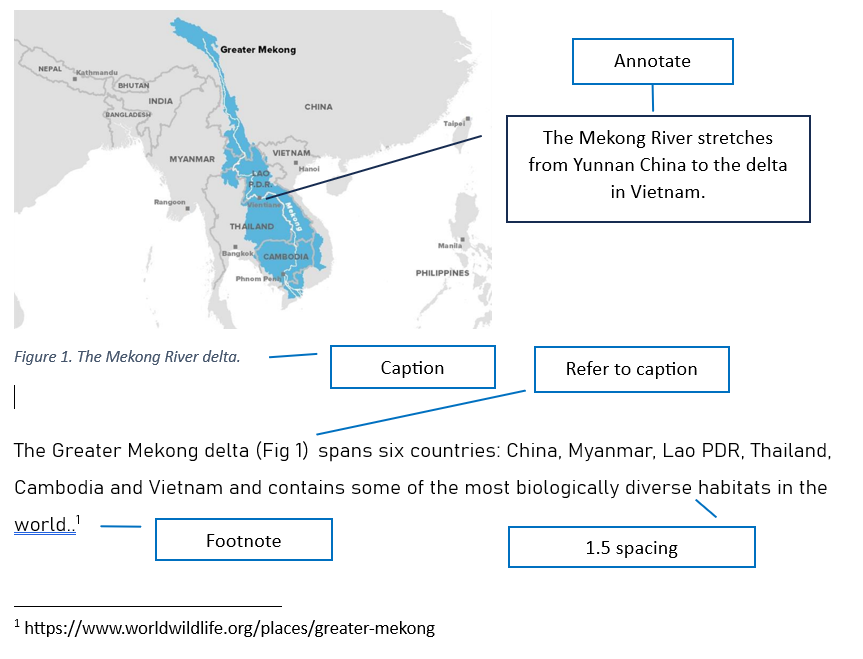
Explain the location of the Mekong and the importance of the ecosystem.
Briefly describe the dam building project using maps and quotes from the sources.
Include a map showing the Mekong River basin
Part 2. Mekong region country development status.
What is the current development status of countries in the Mekong region?
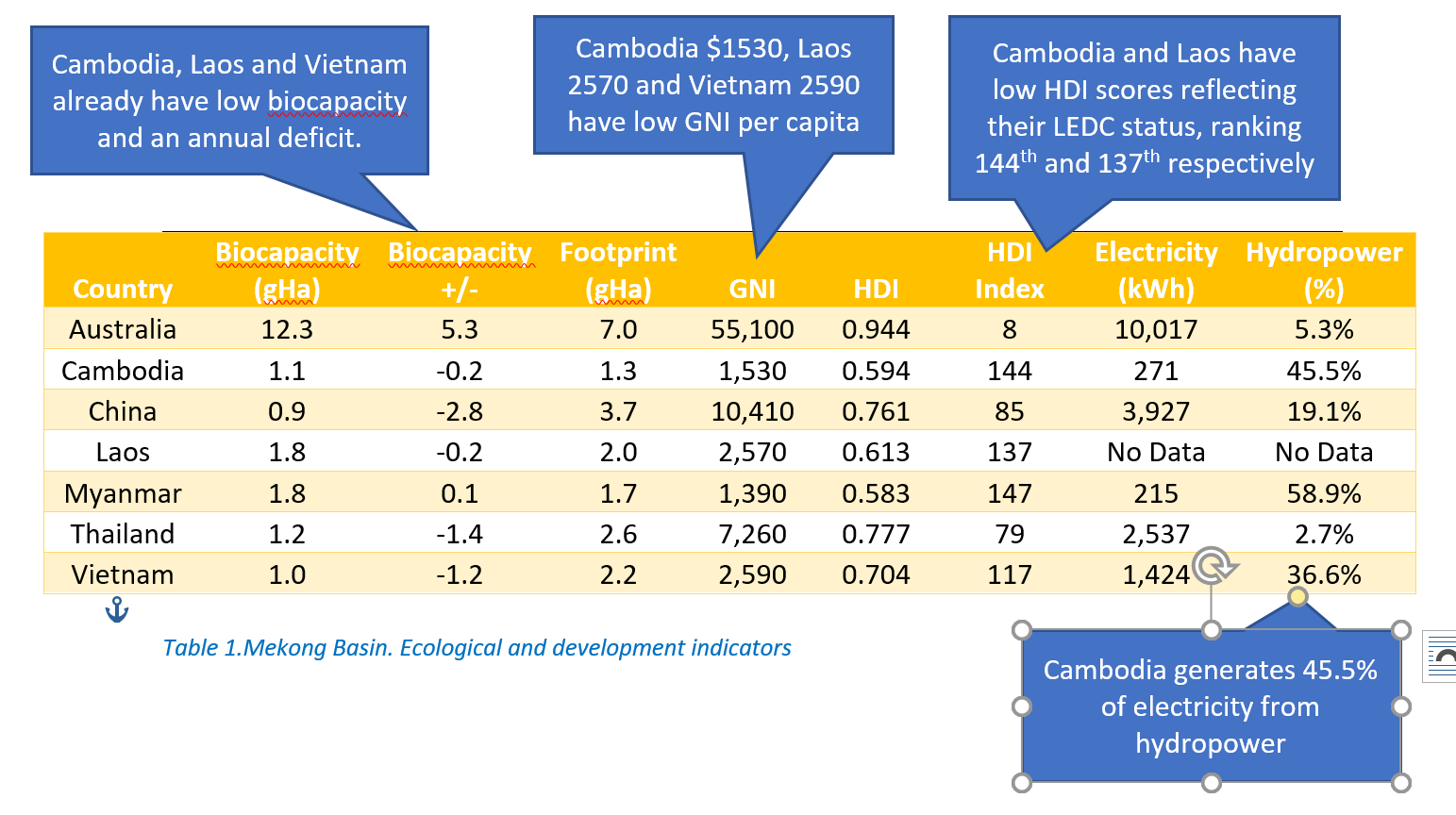
Create a development table that includes the following countries and indicators
Cambodia
Vietnam
Myanmar
Thailand
Laos
China
GNI per capita
Infant mortality rate (IMR)
HDI score
Electricity per capita
Hydropower %
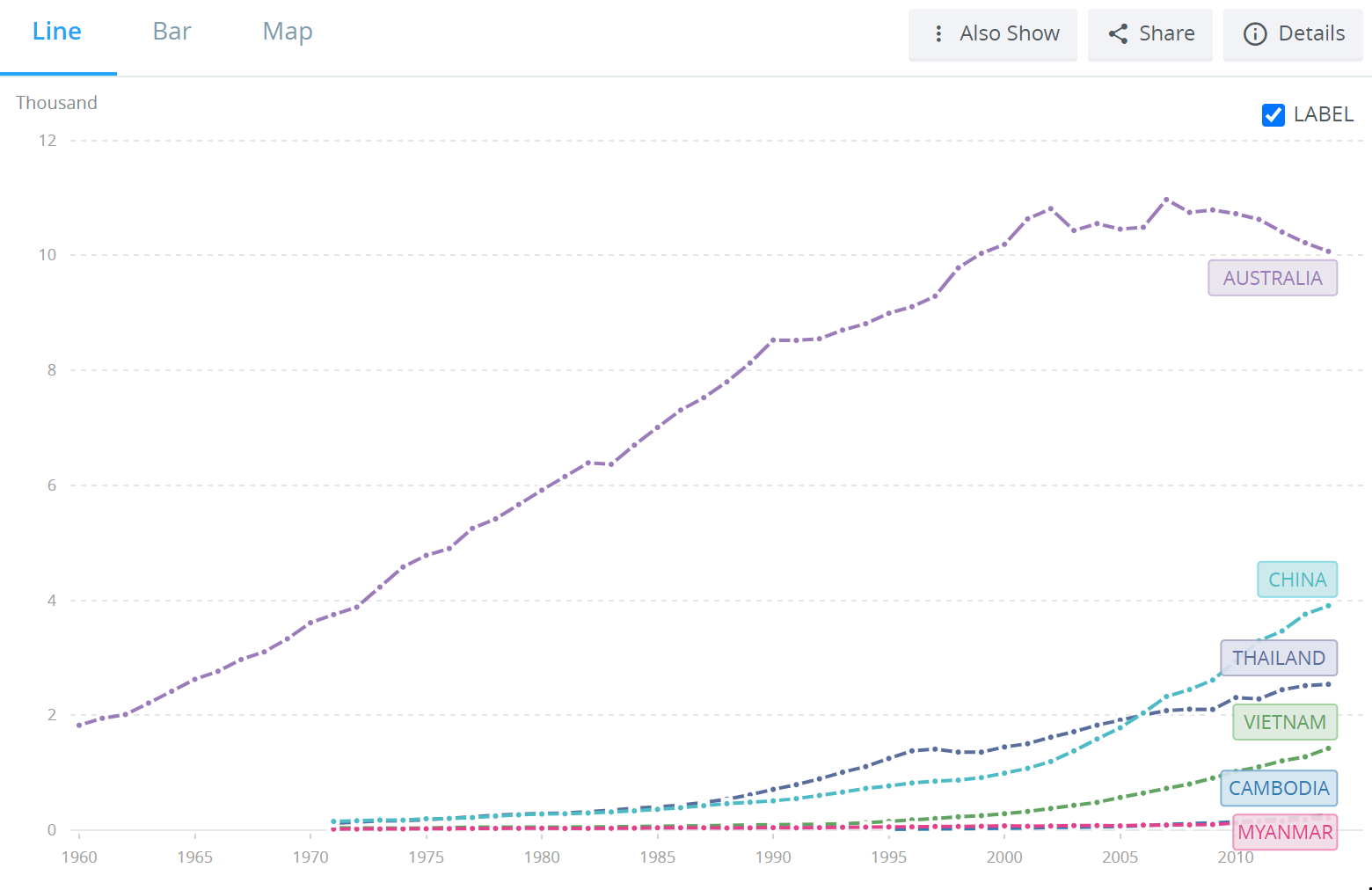
2. Annotate a graph of energy use in the Mekong countries. Electricity production is a useful indicator of levels of development
Electric power use (kWh) per capita - World Bank
Part 3. Map analysis:
Location and impacts of the completed and proposed dams.
Examine the map of the Mekong Basin showing major dams and downstream regions.
Questions
Copy the map in source 1. into your EIA
Identify two countries where many dams have been constructed on the Mekong River.
Which downstream country will be most affected by changes to sediment and water flow?
Describe one way dam construction might change the natural flow of the Mekong River.
Annotate two possible downstream impacts of dam construction.
Extra: China is building most of the new dams on the Mekong River. Use the map to explain the inequality in the benefits and costs of these dams on downstream communities and ecosystems.
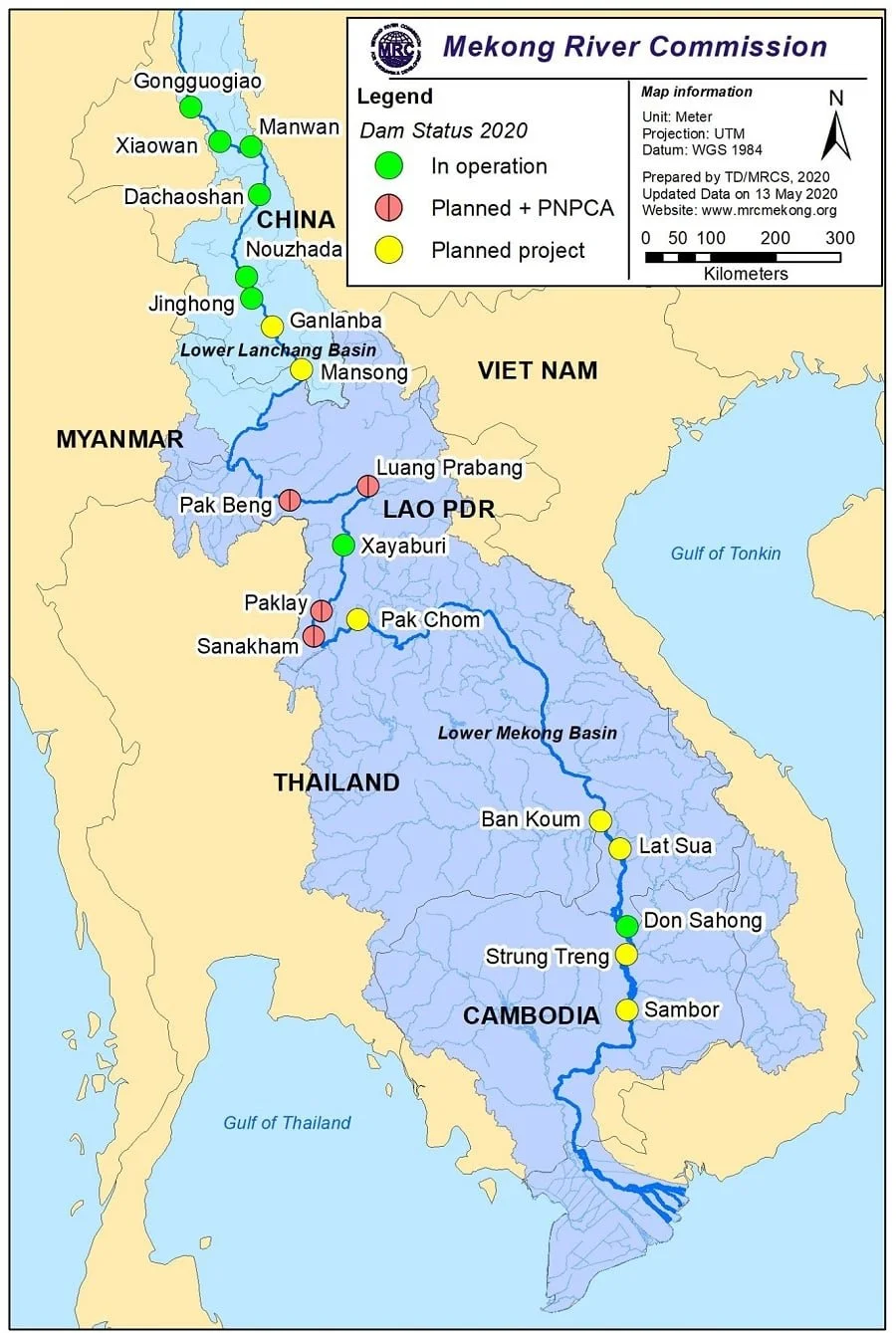
Source 1. Completed and proposed dams
Part 4. Economic analysis: Trend in fish catch on the Mekong.
The Mekong River, home to approximately 1000 species of fish, supports the largest inland fishery in the world, producing over two million tons of fish each year. In Cambodia, hundreds of thousands of fish are harvested each year, particularly within the Tonle Sap Lake, providing food and livelihoods for millions of people.
Examine source 2. graph showing declining fish catch in Tonlé Sap (Cambodia) or sediment flow data in the Mekong River.
Questions
Copy the graph in source 2. into your EIA
Describe the trend in in the number of species recorded in the Tonle Sap (Cambodia)?
Suggest two reasons why dam construction may contribute to this trend.
Explain why this change could affect food security in the region.
Extra: Use a diagram to explain how the Tonle Sap is filled by flows form the Mekong during the Monsoon and why changes to these flows could impact fish migration.
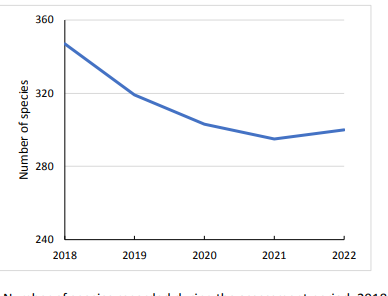
Source 2. Tonle Sap fish catch. 2018 - 2022
Part 5. Environmental analysis: Trend in sediment flows on the Mekong.
Studies have found that sediment loads were reduced by 68.5% at downstream stations due to heavy regulation caused by numerous dams. The sediment loads were reduced by 68.5% at downstream stations due to heavy regulation caused by numerous dams (2012–2019)
Examine a graph showing declining fish catch in Tonlé Sap (Cambodia) or sediment flow data in the Mekong River.
Questions
Copy the map in source 3. into your EIA
Describe the decline in sediment flows predictions for 2040.
Suggest two reasons why dam construction is contributing to these declines
Explain how these predicted declines will impact ecosystems, agriculture and fisheries in the region.
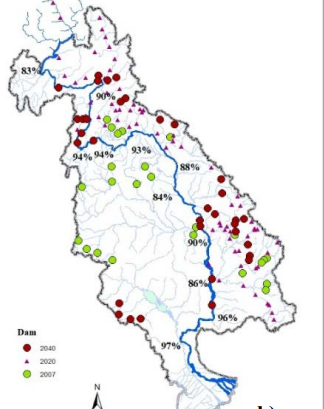
Source 3. Mekong sediment flow %. 2007 - 2040
Part 6. Downstream impacts case study.
Source 4. The Tonle Sap in Cambodia. Mekong Delta Commission
Around three million people directly rely on the Tonle Sap (Sap is the Khmer word for lake) in Cambodia, and 80% of the countries population depend on fish as their primary source of protein. The Tonle Sap contributes over 75% of the country's freshwater fish catch.
Every year the Tonle Sap fills up during the Monsoon. However over the past decade, dam construction upstream has disrupted the Tonle Sap’s water cycle. Less water is flowing into the lake, the reversal period is shortening, and in 2020 it didn’t happen at all. Leading to a crisis in the country.
The rapid construction of dams along the Mekong River from China to Vietnam is blamed for the failure. These dams hold back trillions of litres of water, block fish migration routes, and reduce the flow of nutrients into the Tonle Sap.
In addition, pollution and overfishing has also damaged the lake. The government has designated conservation zones. However weak enforcement and illegal practices have raised questions about their effectiveness.
Questions
What is the name of the rains that cause the Tonle Sap to rise every year?
Describe the process that leads to the lake filling up
Can you think of another factor (not mentioned) that contributes to the lake filling up during the rainy season?
How is dam construction impacting flows in the Tonle Sap?
Refer to source 2 and source 4 to explain the impact dam construction is having on fish stocks in the Tonle Sap.
Part 7. Source evaluation: Two views of advantages and disadvantages of dam construction.
Source 5. Government of Lao PDR. Policy on Environmental and Social Sustainability of the Hydropower Sector. 2006
“Hydropower development is essential for the Lao PDR to achieve economic growth and reduce poverty. The country aims to develop its hydropower potential in order to become the ‘battery of Southeast Asia’ by exporting electricity to neighbouring countries.”
Source 6. Mekong River Commission. State of the Basin Report 2018.
The Mekong River supports one of the world’s largest inland fisheries, providing food and livelihoods for millions of people. Dams on the river can block fish migration routes and alter natural flooding cycles, threatening fish populations and the communities that depend on them. “Hydropower dams on the Mekong mainstream could significantly reduce fish biomass and disrupt the river’s unique flood-pulse system, particularly affecting the Tonlé Sap fishery in Cambodia.””
Questions.
How does the statement in source 5 support the information in the development table in part 2?
How does the excerpt in source 6 support the information in source 3 and 4?
Part 8. Annotated diagram of the downstream impacts of dam construction.
Construct a five step diagram that shows how dam construction affects downstream systems.
Use images to annotate your diagram at each step.
Dam construction
↓
Sediment trapped behind dam
↓
Less sediment reaches delta
↓
Reduced soil fertility
↓
Lower agricultural productivity
Students may also include:
Fish migration disruption
Changes to flooding cycles